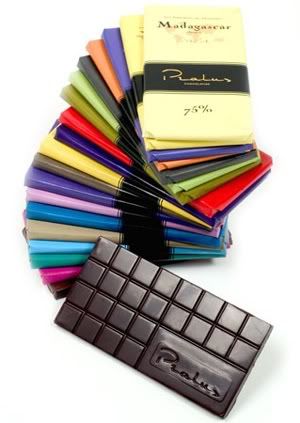
There are times when comfort and normality suddenly endangers your life into becoming boring and stalled. No, this is not my middle-age crisis kicking in. But there have been many times when we (I, to avoid generalising) make plans to do something, go somewhere, read something, only to delay it for another day because 'I have something else to do today'.
So for this year, 2016, I've decided that enough was enough! I intend not to put things aside and, instead, try and new something I've never done before, each day throughout 2016!! Yes, I know that by telling you this I've put myself in deep trouble - but it's also an incentive to actually do it!
Don't worry. I'm not going to start sky-diving or swimming with sharks anytime soon. Well, not yet anyway. But there are still 366 (leap year) brand new things I can still do. It can be new recipes I haven't tried, food I've never eaten, books never read, films never saw, places never visited, skills I need to learn. The list can go on. The important thing is that, by the end of 2016, I would have done 366 that I never did before!
So, this is where I am going to be recording everything!
Day 1: 1 January 2016: Made wholemeal bread


Well, after last night's New Year's partying I needed to start with something easy. And since I bought myself a bread-making machine this Xmas (which is a first in its own, by the way) I decided to put it to good use. And the photos above show the result!!
I have to admit that the experiment was a success in so many ways!! Firstly, the smell and taste of freshly baked bread is irresistible. Secondly, although I am not that fond on wholemeal bread, this one actually tastes really good - miles better from the one you get in the supermarket. Thirdly, it's so easy to make (just add the ingredients in the machine and after about 5 hours the bread is ready) and you know what's in it!!
Well, Stam's home bakery is open!

Day 2: 2 January 2016 - Cooked 'Aromatic Lamb in Parchment Paper'

It’s been a miserable Saturday weather-wise, compounded by Liverpool losing. So, it’s a great relief to at least have a delicious meal to eat, to cheer up! This is a Greek dish I’ve cooked for the first time (click here for the recipe) but look forward to cooking more often.

Day 3: 3 January 2016 - Cooked 'Red pepper and goat's cheese soup'

The festive season is over, tomorrow work starts again, so I might as well take full advantage and cook another dish! Not only this dish will help me put the bread from day 1 to good use, but I now have the lamb from day 2 and this soup to keep me going during my working week. This is a fantastic soup, tasty and thick enough to use as a stock too! Click here for the recipe.


Day 4: 4 January 2016 - Watched 'A Man For All Seasons'

Today it was time to tick off an Oscar winning film from 1966. The movie is about "the story of Thomas More, who stood up to King Henry VIII when the King rejected the Roman Catholic Church to obtain a divorce and remarriage." IMDB's score for this movie is 7.2 at the moment, but I can't say it's one I would watch again and again - more like a 6, in my book. More info about the movie here.
Day 5: 5 January 2016 - Made 'Grainy Mustard and Beer Loaf'


The bread machine is turning out to be a great investment!! This time I tried a bread to go with pickles or jam. For those of you with a bread machine, for a medium loaf the ingredients are:
280ml flat beer, opened at least an hour before using (Pale Ale for a subtle taste, Brown Ale for a stronger flavour)
15ml olive oil
3 tbsps wholegrain mustard
350gr unbleached strong white bread flour
150gr wholemeal bread flour
1.5 tsp salt
2 tsps granulated sugar
1 tsp easy bake dried yeast
Set the machine to the white/basic setting, medium crust.

I had great expectations about that film, especially after watching the trailer. Unfortunately, I found it a bit 'flat'. Too much fighting, action and destruction and too little character building and depth. IMDB marks it at 7.2, I will stick to around 5.5-6. For more info visit the IMDB website here.


Third type of bread to come out of the machine, this time a harder, more sour bread. Very good taste, reminds me of the more traditional sourdough types. For those of you with a bread machine, for a medium loaf the ingredients are:
220ml water
125ml buttermilk
1.5 tsp lemon juice
350gr unbleached white bread flour
150gr spelt flour
45ml bulgur wheat
1.5 tsp salt
1 tbsp sugar
1.5 tsp easy bake dried yeast
Set the machine to the white/basic setting, medium crust.
The buttermilk adds a characteristic slightly sour note to this bread. You can replace it with low fat natural (plain) yogurt or semi-skimmed milk for a less tangy flavour.


My favourite bread so far!! I made two loaves (hence the two different photos). Here are the ingredients if you have a bread maker:
3/4 tsp easy bake dried yeast
400gr strong white bread flour
1 tsp sugar
1 tbsp olive oil
1 tsp salt
150ml passata
120ml water
50gr black pitted olives, chopped
50gr sundried tomatoes, chopped
Add them all together and set machine to the focaccia bread setting, if it has one

280ml flat beer, opened at least an hour before using (Pale Ale for a subtle taste, Brown Ale for a stronger flavour)
15ml olive oil
3 tbsps wholegrain mustard
350gr unbleached strong white bread flour
150gr wholemeal bread flour
1.5 tsp salt
2 tsps granulated sugar
1 tsp easy bake dried yeast
Set the machine to the white/basic setting, medium crust.
Day 6: 6 January 2016 - Listened to the album 'In The Aeroplane Over The Sea' by Neutral Milk Hotel

I know that so far, every 'new thing' I'be done has taken place indoors. Patient dears! There's not a lot you can do outside during a weekday, when it's dark by the time you finish work and the weather is miserable. I do intend to go places this year, but lets wait for a better weather and longer days first!
Today I listened to an album which, according to NME magazine, is in the top 100 best albums of all time - no 98 to be precise. NME said the following about the album: "Ecstatic suicides, carrot-flower kings and semen-stained mountaintops. At first glance it read like a particularly morbid edition of Noel Fielding’s Luxury Comedy, but 'Aeroplane…' crystallizes the no-fi psych-folk ethos of the Elephant 6 collective that Mangum emerged from."
I have to admit that the album did absolutely nothing for me! In fact, I couldn't wait for it to finish. It's just not my style/type of music. Oh well, at least I tried!! More on Neutral Milk Hotel here.

Decided to watch another film today. This time "a historical drama set in Roman Egypt, concerning a slave who turns to the rising tide of Christianity in the hope of pursuing freedom while falling in love with his mistress, the famous philosophy and mathematics professor Hypatia of Alexandria."
Day 7: 7 January 2016 - Watched 'Agora'

I had great expectations about that film, especially after watching the trailer. Unfortunately, I found it a bit 'flat'. Too much fighting, action and destruction and too little character building and depth. IMDB marks it at 7.2, I will stick to around 5.5-6. For more info visit the IMDB website here.
Day 8: 8 January 2016 - Listened to the album 'Histoire De Melody Nelson' by Serge Gainsbourg

When I decided to do something new each day, Fridays were always going to be a bit of a challenge. This is because each Friday I am in the office, in London. Obviously, London does have plenty of things to do and see. But when you leave the office at around 6pm and your train to Liverpool leaves at 9pm, your time is limited. So, until the days are longer and I can visit places that are open and bright, listening to music is most probably the best option.
Everyone on this planet has heard of a Serge Gainsbourh song. If you think you haven't, just listen to 'Je T'Aime Moi Non Plus' and you'll go 'Oh yes, I've heard that one!' But I've never listened to this album before, which NME magazine lists at no 142 of the top 200 albums of all time. "Lushly orchestrated, lazily funky, sleazily louche, Gainsbourg's 1971 record – not quite half-an-hour long – is a lauded if somewhat discomfiting touchstone."
It has its good moments and its OK moments. Nothing much to shout home about, in my opinion, but nevertheless it's easy on the ear. More info on Serge Gainsbourg here.
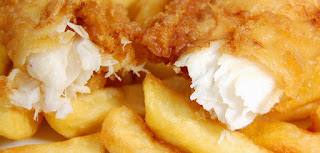

Another Greek recipe for today and as you can see from the photo I enjoyed the results a lot!! The recipe is here.
Day 9: 9 January 2016 - Had fish and chips at the 'Docklands Fish and Chips' in Liverpool

Docklands Fish and Chips was in the top 20 list of places to eat at, in Liverpool, on Tripadvisor for quite some time. I always wanted to give it a try so the opportunity came up today. You can read my review here.
Day 10: 10 January 2016 - Cooked 'Pancakes Stuffed with Minced Meat'

Day 11: 11 January 2016 - Had dinner at 'Istanbul Grill' in Urmston
Met a good friend for a lovely dinner in this restaurant. Have never been to it before. This is not one of my longest or thorough reviews, but I was concentrating on the interesting conversation rather than the review. You can read my review here.

Day 12: 12 January 2016 - Cooked 'Cheese Soup with Crispy Bacon'

A fantastic new recipe and a soup to keep you warm in the cold winter nights! The recipe is here.

Day 13: 13 January 2016 - Made 'Spelt and Bulgur Wheat Bread'


220ml water
125ml buttermilk
1.5 tsp lemon juice
350gr unbleached white bread flour
150gr spelt flour
45ml bulgur wheat
1.5 tsp salt
1 tbsp sugar
1.5 tsp easy bake dried yeast
Set the machine to the white/basic setting, medium crust.
The buttermilk adds a characteristic slightly sour note to this bread. You can replace it with low fat natural (plain) yogurt or semi-skimmed milk for a less tangy flavour.
Day 14: 14 January 2016 - Made 'Tomato Focaccia Bread'


3/4 tsp easy bake dried yeast
400gr strong white bread flour
1 tsp sugar
1 tbsp olive oil
1 tsp salt
150ml passata
120ml water
50gr black pitted olives, chopped
50gr sundried tomatoes, chopped
Add them all together and set machine to the focaccia bread setting, if it has one
Day 15: 15 January 2016 - Listened to the album 'View From The Ground' by America

Everyone who knows me knows what a big fan of the 80s I am! But I have to admit that this group (let alone their work) has escaped my attention until recently!!! But, it only took a couple of minutes to hear one of their songs through the loudspeakers at Anfield, to quickly pay attention!! So, this time, I've actually found an album full of tracks I like despite not making it to any old time favourite list. Needless to say, I'll be listening to a few more of their work to catch up! Click here for more about America.


Day 16: 16 January 2016 - Visited Thornton Hough

Finally, my first visit to another place for this year! Thornton Hough is a tiny, beautiful village only 10 miles from Liverpool. Always wanted to visit it and the opportunity came up during a friend's visit. Click here for more info on Thornton Hough.
Day 17: 17 January 2016 - Had a pie at 'HomeBaked Anfield'


Having a pie at HomeBaked Anfield is listed in many of the 'Things To Do in Liverpool' lists! And despite the fact that I am an Anfield regular, I waited patiently for 2016 to arrive and eat there, so I can add it to my list.
The reason why this place is kind og special is because it is a co-operative bakery, run by local residents. As such, all the money go back to the community. The pies are very good too! You can read my review of the place here.
Day 18: 18 January 2016 - Watched 'The Secret Diaries Of Miss Anne Lister'

For me, there are no better period dramas than those produced by the BBC. This TV drama is not one of the best I've seen, but it is very well produced nevertheless. It is a biographical drama about the 19th century Yorkshire landowner Anne Lister. The script drew from Lister's diaries, written in code, and decoded many years after her death. The story follows Lister's lesbian relationships and her independent lifestyle as an industrialist.
But at least now I have another place to add to my list of places to visit, as Lister's residence, Shibden Hall, is not that far! Click here for more information about the film.

Day 19: 19 January 2016 - Listened to the album 'Homage' by Jimmy Somerville

Given that the albums I listened so far from the 'Best Ever' recommended lists were not really to my taste, I decided to do my own little search. I decided to have a look at some of my favourite artists/bands from the 80s and see what they have been up to lately. Boy, am I happy I did that!!
Jimmy Somerville has always been a favourite of mine, regardless of whether he was a member of Bronski Beat or The Communards. And it came as a surprise to me to find out that he actually released this great album in 2015! I didn't see it on any 'Best' lists and it ought to have been! It's a pure homage to 70s disco and you'd be hard to resist not to dance to it! I certainly couldn't!
This is a great album, it's gone straight into my music folder on my iphone and I'm certain I'd be playing it non stop for quite some time!

Day 20: 20 January 2016 - Listened to the album 'What Went Down' by Foals

It's not the fact that Foals's lead vocalist and guitarist is Greek (Yannis Phillipakis, born in Karpathos) that attracted me to this album. I've only heard of this Oxford based indie band when I saw them during a Jools Holland show. And it was until now that, thanks to a random search on Spotify, I came to listen to one of the tracks in this great album and ended up listening to the whole album over and over again. This is a great work, offering a great diversity of styles which make you stop and listen. It must be one of the very few times that I actually agree with an NME review!

Day 21: 21 January 2016 - Cooked 'Spicy Red Pepper Soup'

After making the Red Pepper and Goat's Cheese soup I became hooked on the texture and taste red peppers give to soups. So I found this recipe on Jamie Oliver's website and decided to try it. It'll go down well with people who prefer a spicier and lower fat alternative to the Red Pepper and Goat's Cheese soup. You can find the recipe here.

This is turning into a great week for listening to music. I've never heard of the Mystery Jets before coming across to this album, released this month. Every song in the album, even those you don't initially like at the start, grow into you as you listen; the result is that you end up loving each and every one of them. A very good album indeed.

It is very easy to under-estimate the importance Liverpool played in the maritime and commercial history of the UK. Many people hear of Liverpool and their mind immediately goes to the Beatles. However, Liverpool, its port and its maritime tradition and history has had a much more defining and long lasting effect, not only in the city but in the country.
The Merseyside Maritime Museum takes you on a journey back from the beginning of Liverpool, all the way to the modern era. In between, you will learn about how Liverpool became the most important port in Europe in its heyday, the stories behind some of the most well known vessels (such as the Titanic and Lusitania), Liverpool's role in the two World Wars, its decline and rise from the ashes.
For fans of modelling and photos from the past, like me, there are plenty of models of ships to admire, as well as photos of a Liverpool that no longer exists. A must visit!


A traditional recipe from Metsovo, a town in the north-western part of Greece, was the order of the day yesterday. You can find the recipe here.


Today I used the bread maker to do the dough and then made calzone for the first time! Used three types of cheese, ham, sun dried tomatoes and fresh basil. Mmmmm! Delicious!

I was looking forward for Crust to open its doors, because the people behind it run my favourite Italian in Liverpool, Il Forno. I knew therefore that their pizzas would be made fresh and cooked in a wood fire oven. As you can see, they are delicious! You can read my review here.
Day 22: 22 January 2016 - Listened to the album 'Curve Of The Earth' by the Mystery Jets

Day 23: 23 January 2016 - Visited the Merseyside Maritime Museum

The Merseyside Maritime Museum takes you on a journey back from the beginning of Liverpool, all the way to the modern era. In between, you will learn about how Liverpool became the most important port in Europe in its heyday, the stories behind some of the most well known vessels (such as the Titanic and Lusitania), Liverpool's role in the two World Wars, its decline and rise from the ashes.
For fans of modelling and photos from the past, like me, there are plenty of models of ships to admire, as well as photos of a Liverpool that no longer exists. A must visit!
Day 24: 24 January 2016 - Had Vietnamese streetfood at 'My Pho' in Liverpool

I've never had Vietnamese food before so when the 'My Pho' chain opened its shop in Liverpool I had it in my list to try. Unfortunately it wasn't a very good experience and, given this is a chain, I doubt its food tasted anywhere as good as authentic Vietnamese streetfood. Read my review here.

Day 25: 25 January 2016 - Cooked 'Lamb And Orzo Stew'

Today I had some lamb left in the fridge and very few groceries. So I found this great recipe on the internet, to try. The result was a delicious dish, full of intense flavours. Click here for the recipe.

Day 26: 26 January 2016 - Bought my first ever Apple Mac computer

Yeap! It took me ages to convert, but this is the first time I buy a Mac. I'll still keep to PCs as a desktop though, as I enjoy building my own systems.


The film opened in 1944 and was nominated for 7 Oscars, winning none! To many critics this was the first example of a genre of films called Film Noir. It's the story of an insurance representative who lets himself be talked into a murder/insurance fraud scheme that arouses an insurance investigator's suspicions. The IMDB website marks it at 8.4 out of 10. It was a good film but not for such high marks in my opinion. For more info about the movie click here.
Day 27: 27 January 2016 - Made 'Granary Loaf'

Time to use the break maker again and this time for a deliciously crunchy granary loaf. If you have a bread maker, here are the ingredients:
1 tsp easy bake dried yeast
500gr strong granary flour
1.5 tsp sugar
1.25 tsp salt
25gr butter
340ml water
Day 28 - 28 January 2016 - Watched 'Double Indemnity'

Day 29 - 29 January 2016 - Cooked 'Corn Pie From Metsovo'
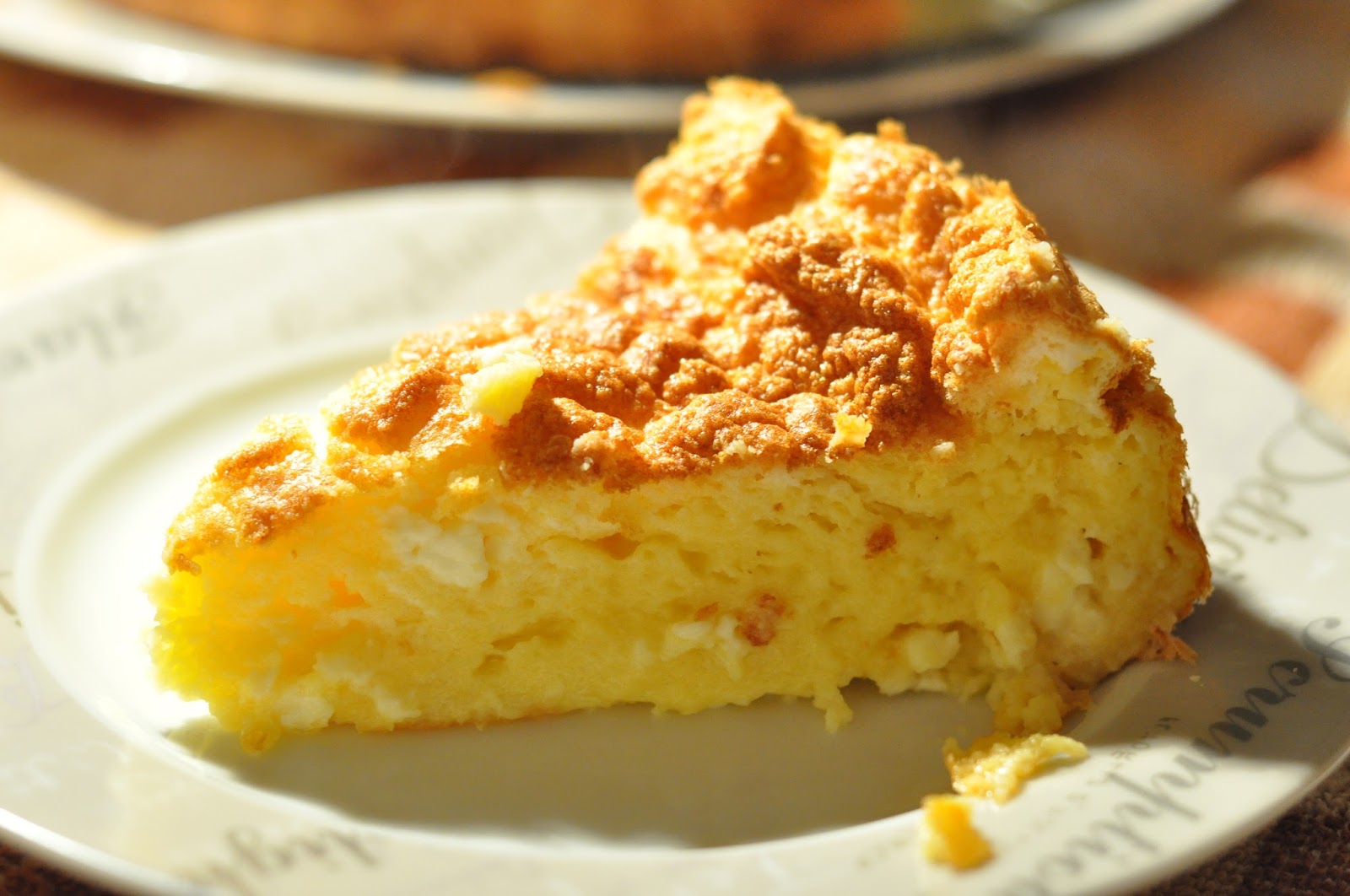

Day 30 - 30 January 2016 - Made 'Calzone'


Day 31 - 31 January 2016 - Had lunch at 'Crust', at Liverpool

January review
Well, it was a busy month! Made 8 new recipes, listened to 6 albums for the first time, used the bread maker to make 5 different breads, visited 5 restaurants for the first time, watched 4 films, visited 2 places and bought my first Mac!!! The weather did not allow me to explore more places, but as the spring arrives the cooking will be less and the exploring will be more frequent!